Oh, What a Savior!
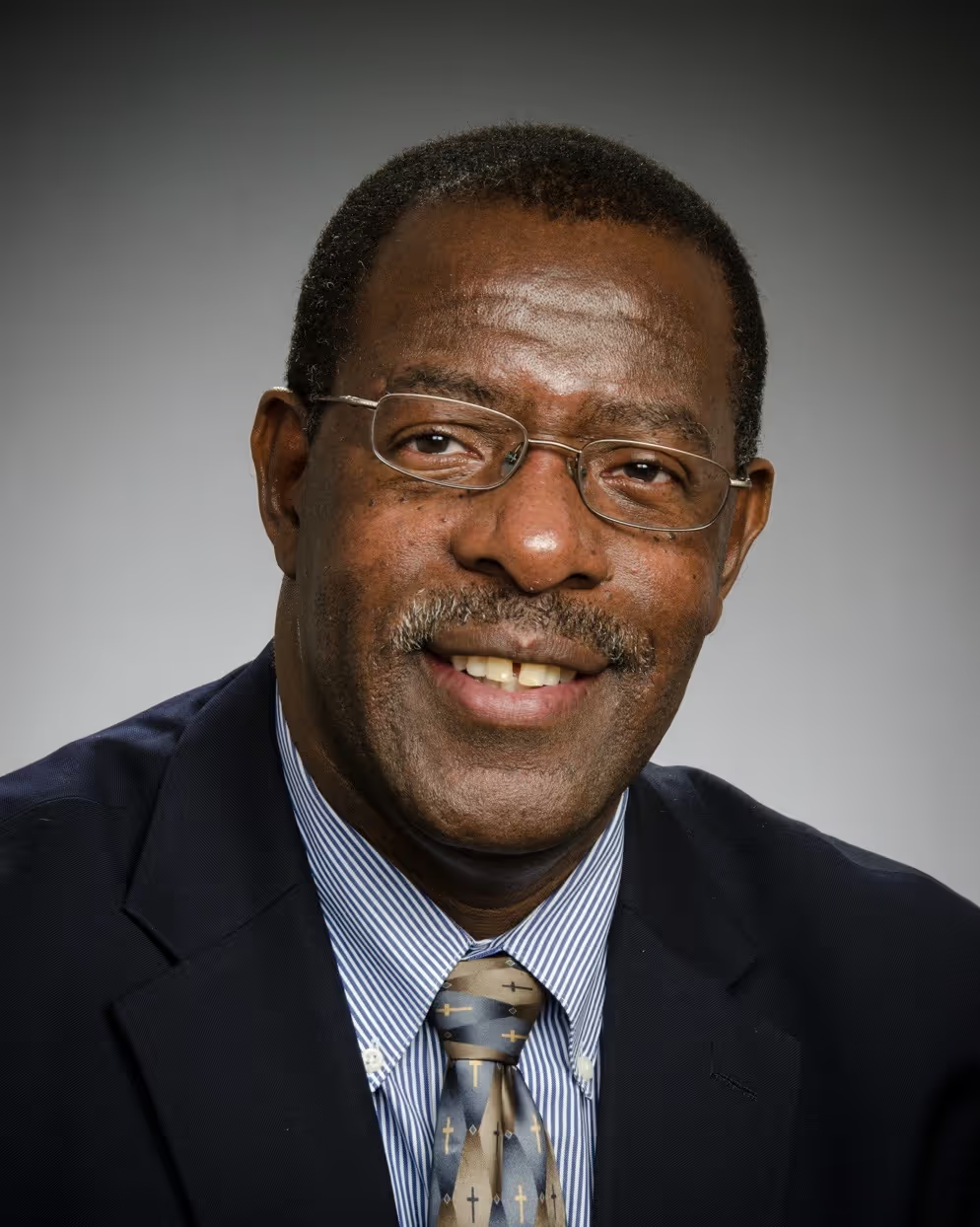
Celestin Musekura (PhD, 2007) talks about how God saved him from a life of worshiping ancestors to worshiping the Savior. Today he and his wife invite others across East and Central Africa to do the same.
I was born in a village in Rwanda in 1959, mere months before a revoltbegan a period of political instability that led to the genocide of mypeople.
My parents were animists who worshiped the Supreme Being (called Imana) through theintermediary of ancestors and the spirits of the dead, whom theybelieved give life or death. My mum was barren for nine years in aworld where people see barrenness as a curse from an unhappy ancestorwho disliked his or her treatment after death. By offering sacrificesof meat, beer, and animal blood, she was told, she could appease theancestors’ spirits who caused sickness, calamity, and death.
My people believed ancestors are mediators between Imana and theliving. Any request had to be made to them, and they would carry it toGod. In addition to misfortune, these ancestors could also bringhappiness, prosperity, and good health. But such good happened onlywhen the living offered sacrifices.
For the nine years of her infertility, my mother offered bloodsacrifices and prayers to the ancestors. She could not go to thefountain to fetch water or sit with other women. Children sang abouther inability to produce. After two years, when a woman could not bearchildren, usually her husband chased her away or married a second wifeto bear children, just as we see in the Old Testament. My father hadgiven my mother the final word that she had three months to leave whenshe discovered she was pregnant.
I was that child.
I was, in a sense, her deliverer. This is why she gave me the surname“Musekura,” which means“savior” or “someone who saves you froman embarrassing situation or who restores your life from impendingjudgment.” She believed the ancestors heard her prayers. Andas a thanksgiving to them, she dedicated me to serve the ancestors as afamily and village traditional priest. I was to grow up to performpriestly duties—offering sacrifices, drinks, animal blood andflesh to the ancestors.
When I was five, my mother started taking me to witchdoctors andmediums and the traditional high-priest lady, who would train me toperform my duties. At age six I started memorizing the names of myancestors. By age eight I knew how to slaughter a chicken and a goatand learned to make sacrifices to the ancestors.
Yet when I was ten, I started asking questions. I had already witnessedthe death of my two-week-old sister, despite my sacrifices. One daywhile watching an old medium perform her duties, I realized her husbandwas dead and her two sons died young. She had swollen feet and legs.And I wondered why she was unable to protect her own husband, children,and body. That day while leaving her temple/house, I told my motherthat I refused to return. After that I lived under the daily threat ofdeath. And I continued to offer libation and animal sacrifices weeklyto deter the anger of the “living dead,” as theyare called. I believed, as do many traditional Africans, that the deadare not gone but are still living among us.
But then someone brought me the gospel of Jesus Christ.
I was fifteen when Gerald Ford became the president of the UnitedStates. That year, for the first time, I saw a white man, or Umuzunguas we called him in my mother tongue. Our parents had warned us thatsome strange-looking people would tell us about foreign gods who wereagainst our gods. We should never listen to them or accept their gods,they said, because if we did, the ancestors would be unhappy and wewould probably die. Or our parents would die.
Yet because of our curiosity to see this kind of “animalman” who was different, most of the children went to see him.The white man was Edward Kile, a missionary with World Venture (thenConservative Baptist Foreign Mission Society—CBFMS), who hadcrossed to Rwanda from Congo and started going into rural villages totell people about Jesus Christ.
As we gathered around to touch him, smell him, and pinch him (to see ifhe was really human), he would tell us Bible stories. Every month Mr.Kile came to my village. There a small church was started, and wheneverwe went to see him, our parents beat us. But the stories were so good!I was very attracted to Jesus, the best ancestor, who does not askblood of animals to give people peace. Instead He gave His own bloodand made it possible for me to talk with and be a friend of the SupremeBeing, God Himself. In fear of what might happen, though, I did notaccept the God who was against the gods of my people.
The following year I joined the Baptist secondary school in Cyimbili.There I met the same missionary. That July he preached on John 3:16about the love of God and the blood of Jesus Christ who died for us.That day I gave my life to Christ, the one who offered Himself as asacrifice for me. And my life changed dramatically.
Rejection and persecution followed. For the next three years I did notsee my home again. My family and village disowned me because I hadgiven up my right to be a community priest. And because I worshipedanother God, my family believed my visits to the village would bringcalamity.
On many occasions I begged food or ate from the garbage. Many nights Islept under bridges, but I lived a happy life despite it all. Sometimesover holiday breaks I worked in the coffee plantation to earn money topay the next semester. And many times my new spiritual father, Mr.Kile, would pay the balance. In His providence God raised up Mary, apoor widow in Cleveland, Ohio, who learned of me through Mr. Kile. Forthe next six years Mary picked up cans and cardboard beside the roadand took them to a recycling company so that every month she could sendme six or seven dollars. This is how I was able to afford schooling.
In 1979 while finishing my secondary school, I felt the call to be apriest—not of the ancestors but of the living God. I felt theLord was calling me to return to my village, to the people who hatedme. When I expressed my desire to the church leaders, I was sent to aBible Institute in Congo (former Zaire), where I studied theology forfour years.
Then I became the assistant pastor and later the senior pastor at thechurch in my village. This was no easy decision as my family stillhated me. Though my mother loved me very much, she could not invite meto my home. My father tried to destroy me and the ministry, but theLord gave me strength.
My life was already an enigma to the villagers. That I was still aliveand well was a miracle, and they could not understand it. One day Itold my mother I was not her savior, and I invited her to come tochurch so I could introduce her to the real Savior, Jesus Christ.
A year after I started pastoral ministry, my mother trusted Christ.Then my brother came to know the Lord. (Today he is a church ministerin Rwanda.) Then my sister came to Christ. (She is married to a Baptistminister.) In fact many people in my village came to know the Lord. InOctober of 1986 I had the joy of praying with my father as he receivedChrist. Two months later I was transferred to the denominational mainoffice in Kigali, where I was involved in community development andleadership training for two years. Then I moved to Kenya for furtherstudies in theology to prepare myself to train more nationalleaders.
Since these events I have completed the PhD program at Dallas Seminary,and I began African Leadership and Reconciliation Ministries (ALARM),through which we equip and train pastors and lay leaders in East andCentral Africa, focusing on issues such as biblical repentance,forgiveness, conflict resolution, and tribal reconciliation. And theHIV/AIDS pandemic has caused a great need for pastoral care andcounseling for the dying and their bereaved families. As I travel andserve from village to village and from country to country, I oftenthink back over my life. I am always amazed and humbled that JesusChrist has chosen to work through me, a boy named“Deliverer.” Through ALARM I pray that many willcome to know the true Deliverer—Jesus Christ, who saves usfrom judgment and restores our lives through forgiveness andreconciliation. He is the only true “Musekura,” ourSavior forever.
To contact ALARM call 972-671-8522 or visit www.alarm-inc.org.
About the Contributors