
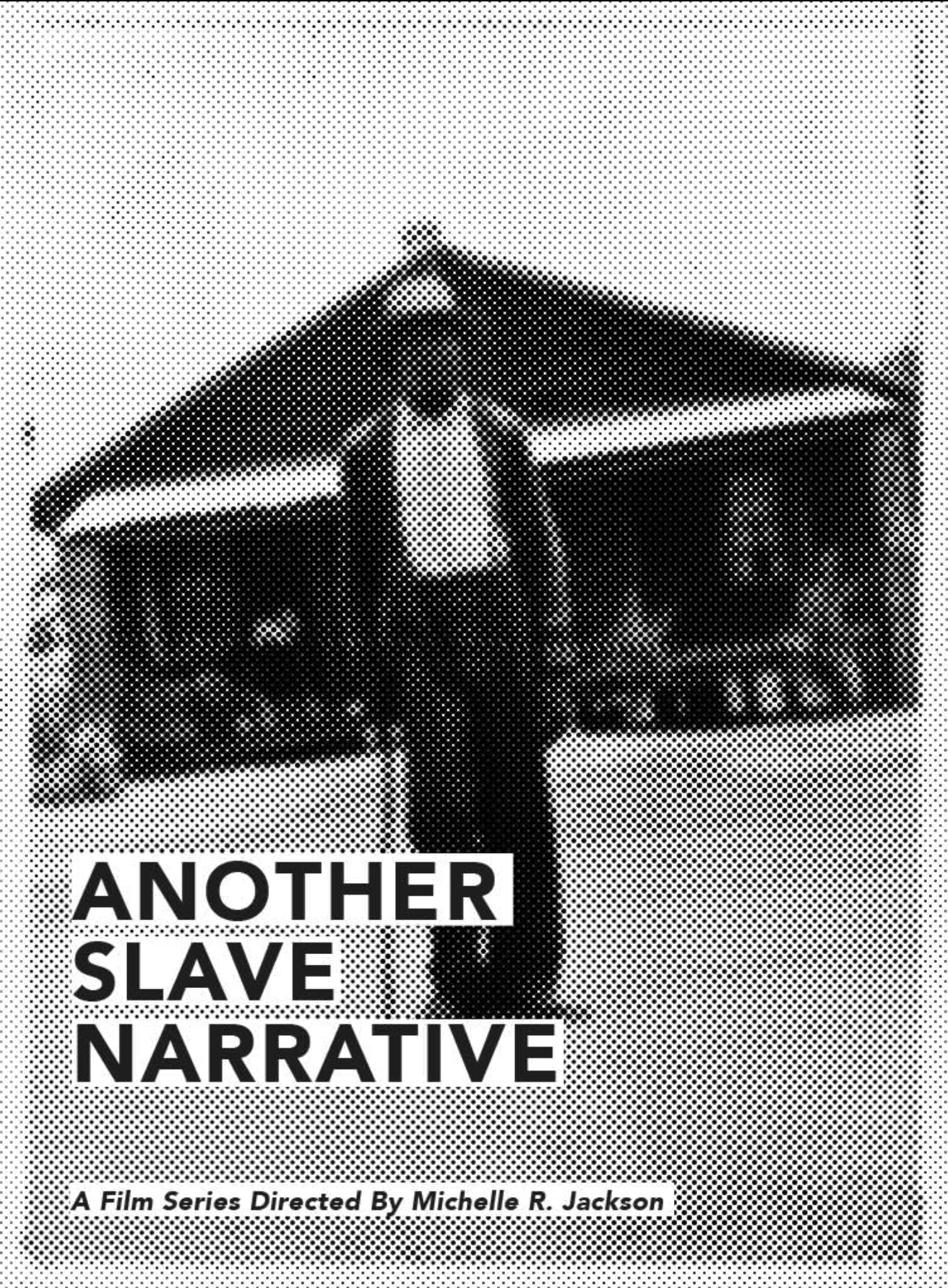
Another Slave Narrative (2017), directed by Michelle Jackson
“We had no church, no Bible, no preacher, but we had God. We knew He was with us. We prayed in the fields, in the woods, by the cabins, and He heard us. That’s how we made it through.”
—WPA Slave Narrative, Georgia
When I attended the Black History Month film series at Dallas Theological Seminary in February, I didn’t know how much it would challenge my assumptions about faith and suffering. The second week of the series, I watched the film Another Slave Narrative, which gave voice to the faith of formerly enslaved Africans. I expected to be saddened by the cruelty and injustice these stories exposed. What I didn’t expect was how deeply I would be moved by the stories of people who had every earthly reason to give up on God but didn’t.
As I heard their stories and the suffering they endured, I began to reflect on the ways many of us—including myself—respond to suffering in the church and in society. Some of us try to ignore suffering, using clichés or blaming it on a lack of faith. Others try to avoid it by seeking control through political influence or money. Still others think suffering means God has left them. But in these stories from the past, I saw something different: I saw a faith that did not depend on circumstances.
What struck me most was the potency of their faith, compared to the comfort-driven version of American Christianity that has shaped me. These men and women didn’t have safety, wealth, or influence, yet their trust in God proved unshakable. It made me wonder: What do I believe about suffering? Do I think following Jesus will always be easy, convenient, and pain-free? I don’t want to suffer—I don’t think any of us does—but I also know we’ve been called to take up our cross. That command is not just theoretical, but sometimes it costs us.
Watching this film didn’t just challenge me; it emboldened me. It reminded me that when that day of testing comes, I have a long line of faithful ancestors who have shown me it can be done. As you watch Another Slave Narrative, or read the WPA interviews of freed African Africans on which the film is based, may you dare to believe, as they did, that Jesus is worth everything, despite any suffering we endure.
Questions:
- How can the faith of those who suffered without relief challenge and deepen your understanding of what it means to trust God?
- How does the gospel shape the way you see suffering?
- Can you remember times when God was near to you in your pain, even if things did not get better right away?
- Where might God be inviting you to stop minimizing your pain and instead bring it honestly before him?
- Who in your life right now is suffering without relief? How can you walk with them in a way that avoids offering easy answers or spiritual clichés?
For more devotionals in this series, click here.
About the Contributors
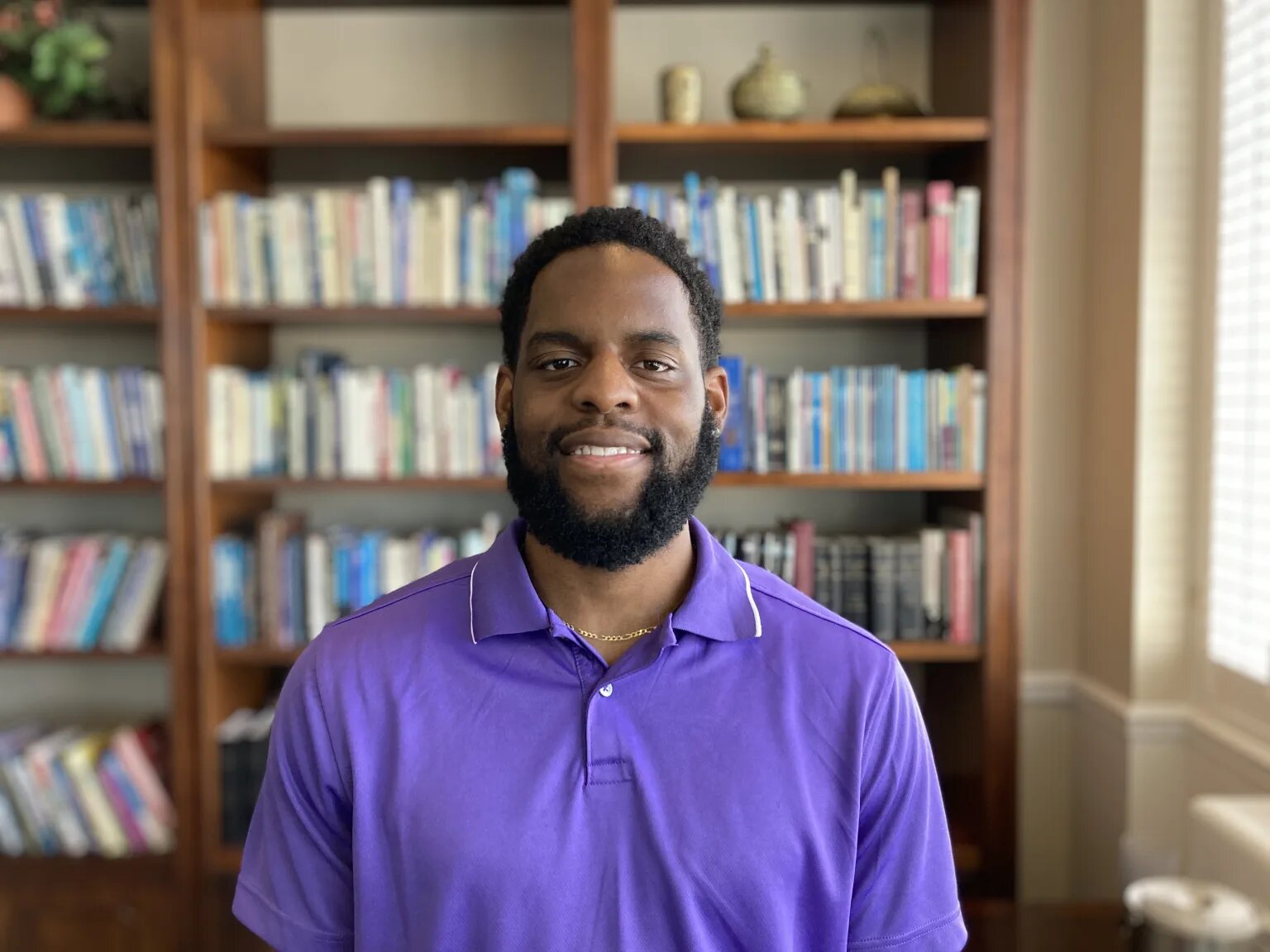
Jeremiah Chandler
Jeremiah Chandler is a current student at Dallas Theological Seminary (DTS), enrolled in the dual degree program, pursuing a Master’s in Apologetics and Evangelism and Intercultural Studies and Missions. He serves as the president of the Black Student Fellowship and is passionate about racial reconciliation and cultural anthropology. Jeremiah plans to pursue a PhD in cultural anthropology to help the church better engage with culture both inside and outside its walls.
Contributors


