
“Country Mile” (2024), U2
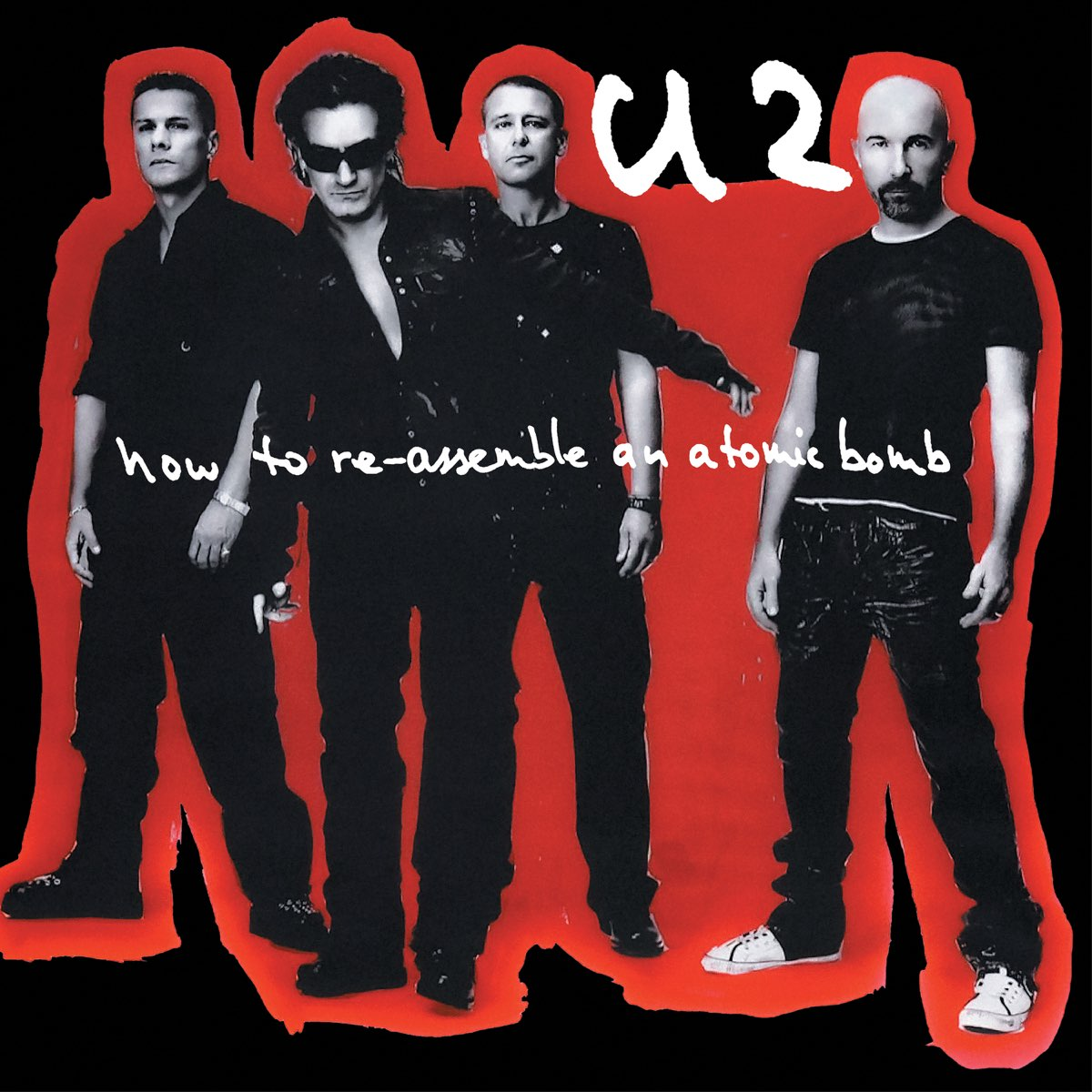
U2 formed in Dublin, Ireland, in 1976, when the members were teenagers. They’ve released fifteen albums since their first, Boy, in 1980. How to Dismantle an Atomic Bomb was released in November 2004. The Edge, guitarist for the band, said of this album, “I’m amazed at how personal it is. It’s not a manifesto. It’s about what matters. It’s an honest snapshot of where we’re at” (https://www.u2.com/music/albums/4068).
I first listened to the record in one sitting in the Fall of 2004, and I found myself deeply moved by the hope expressed in “Yahweh,” the final track: “Yahweh, Yahweh, always pain before a child is born. Yahweh, Yahweh, still I’m waiting for the dawn.” “Yahweh” functions as a prayer, after an album lamenting many of the trials and challenges facing humanity in this century. As a longtime fan, I appreciated the longing for hope in those final lyrics.
In 2024, U2 released the“Re-assembled” edition of the album with several new and previously unreleased songs—songs that had been recorded but not included on the original release. “Country Road” is one of those songs. The order of the songs on the original has been rearranged; “Yahweh” is now in the middle.
“Country Mile” reminds me of “Yahweh.” It expresses a similar hope that God is at work in the world, that we should focus on relationships with people not just the accumulation of things. “Country Mile” includes this lyric: “The thing we carried, that’s what we’re keeping.” As the proverb expresses it, travel light. Or as Jesus reminded us, “Do not accumulate for yourselves treasures on earth. . . . But accumulate for yourselves treasures in heaven” (Matt 6:19–21). And U2’s song reminds us that unless God is with us, we are alone and will never arrive: “I’m gonna get there, but not unless you help me.”
“Country Mile” paints a picture of a walk on a country road, not an interstate highway or a bustling urban street. The destination perhaps is not as important as the process, and the walk is not as important as building a relationship. The songwriter expresses the hope that he will get to his destination, but only if his companion(s) help him. Again, he seems to have in mind both divine and human companions. This is a walk not for exercise—though that is a likely result—but for companionship, for relationship.
Questions:
- What pictures come into your mind as you think about a walk on a country road? What do the metaphors in the song contribute to those pictures?
- What mood does the song encourage? Does the music create a fitting mood for the lyrics?
- How do you understand the lyric, “Walk as if our eyes are closed?” Is that a positive or negative reference?
- In the fast-paced, frantic nature of many of our lives, can you identify with the longing to take a leisurely walk on a country road? Does this song help you understand and apply the prophet’s reminder that what God requires is that we walk humbly with him?
- Since many of us lack a nearby country road, how could you apply this song to your life in the city or suburbs? How might you contextualize the metaphor of a “country mile” in your walk with God?
For more devotionals in this series, click here.
About the Contributors

Glenn R. Kreider
Prior to teaching at DTS, Dr. Kreider served as Director of Christian Education and then as pastor in Cedar Hill, TX. His research and writing interests include theological method, theology and popular culture, and our eschatological hope. Dr. Kreider believes that grace really is amazing; it is a thought that will change the world. He is married to his best friend, Janice, and they have two grown children and one granddaughter. He and Janice enjoy live music, good stories, bold coffee, and spending time together and with their three dogs—two rescues, Chloe (a terrier/greyhound mix) and Carlile (a black lab), and one gifted, Faithful (a Bernedoodle therapy dog).
Contributors


