
The Power of Telling Your Story
Join Milyce Pipkin, Bill Hendricks, and Rebecca Jowers as they unpack how honest storytelling reframes trauma and reveals us as God’s handiwork, made in His beautiful image.
Timecodes
- 7:32
- Processing Trauma Through Story
- 14:58
- The Importance of Being Kind to Yourself
- 17:32
- Co-Authoring Your Story with God
- 25:31
- Reframing our Story
- 35:53
- Poiema’s Mission
Resources
Transcript
Milyce Pipkin:
Hi there, and thank you so much for joining us. Welcome to the Table Podcast where we discuss issues of God and culture to look and see the relevance of theology to everyday life. I'm Milyce.
Bill Hendricks:
And I'm Bill Hendricks, the executive director for Christian Leadership at the Hendricks Center, which produces the Table podcast. And I want to welcome you to our conversation today. And today we're going to talk about story. And Milyce can tell you when I heard that that was the topic, I begged to be part of this because the story is a huge part of the things that I do. The Italians have a wonderful saying that I can't know you unless I have dined with you and I feel that way about story. I can't really know a person until I know their story. And today we have a guest, Rebecca Jowers, whose work is all about story as well. And Rebecca is the founder and executive director for The Poiema Foundation, which she'll tell us about. Poiema is a Greek word, basically means good works from Ephesians 2:10, but she is also the assistant dean and advisor for female students at Dallas Theological Seminary. Rebecca, welcome to the Table podcast. Thanks for being with us today.
Rebecca Jowers:
Thank you. I'm thrilled to be here and get to talk about something I'm very passionate about. So, thank you for the invitation.
Milyce Pipkin:
Absolutely. As Bill mentioned, we're talking about the power of story and I love this. This is part of our passion. I mean, for me personally, professionally, everything I've always done has been listen to other people's stories and then tell the story as a news anchor and a reporter. And now I get to do it on this side of things from the secular world into the sacred world of the Lord and for his glory. Hear the stories, share the stories, and most of all, hear your research today. So, Bill, I don't know, you may want to kick us off if you don't, I will.
Bill Hendricks:
Well, why don't we start briefly, how did you get to the point where you are today, where was growing up and so forth?
Rebecca Jowers:
Yeah, that's great. So, start by telling you a little of my story.
Bill Hendricks:
There you go.
Rebecca Jowers:
And so it began, I was born in El Paso to a mom and dad. Both have trauma, stories of trauma, which of course I didn't know as a child. And my dad grew up in poverty, joined the army, became a doctor, served in Vietnam. I know he came home with post-traumatic stress was back then they didn't know what PTSD was, sedated in the hospital, so I never knew my parents' stories. My mom also, she grew up in Canada, came down here when she was to America all the way to Galveston. I felt like she went as far as she could until she hit the ocean, leaving things from her story that were traumatic and two traumatized people met walking to the bus stop. She was a nurse and he was a medical student. That's our story begins before we're even conceived and our parents' stories impact our story of course.
And so that's how it began. They moved to El Paso, he got out of the military and that's where I was born and ended up spending most of my life there. I have two brothers and I got married and moved to the Dallas area. I used to teach math and science. I realized God has wired me to be a teacher. It's my passion. And I think around, we have four daughters, so I had four kids in six years. That's a big part of my story of how do you survive that?
Milyce Pipkin:
Yes.
Rebecca Jowers:
I have street cred with my daughters now because they're mothers and they have one and they're like, "Mom, how did you do this with four?"
Bill Hendricks:
How did you do it?
Rebecca Jowers:
So, it's-
Bill Hendricks:
That's good question.
Rebecca Jowers:
My husband says, "Your street cred went way up when they became parents." But it's been a joy to be a grandmother as well now. So, for me, this story work began when I was a student at Dallas Theological Seminary. I'd been teaching math and science. My husband and I started our family. I had four daughters in six years. And we realized childcare was going to be more than my teacher's salary. And so I stayed home. I had the privilege of being home for 13 years with my girls. And then my midlife crisis was I love teaching.
My husband asked me the question, he's such a great cheerleader for me and for calling out what God has called me to do and supporting me in it. And so he knew that probably I wouldn't be satisfied just being at home. I was still in the throes of laundry, dishes, carpool, homework. But he asked me this question. He said, "When my youngest was going into first grade, it would be the first time in 13 years I didn't have a baby on the hip." And he said, "So, what are you going to do with all that time while the girls are in school?" Meaning from 8:00 AM to 3:00 PM. And frankly, it kind of annoyed me because I hadn't done any healing work in my story.
And I thought, "What do you think I'm going to do? I'm going to do carpool and dishes." And I was so stuck in that mode. But thankfully I began processing the question that he posed to me. And I said, "I was working on a master's degree when I was teaching math at the University of Texas at El Paso. I never did get an opportunity to finish that. And so I'd really like to get my master's, but I'm not that passionate about math and science anymore. I want to have more of an impact on where people spend eternity."
And he's the one that said, "You know, Rebecca, you love teaching bible studies." I'd been teaching a women's study in my home, which we ended up for 16 years meeting together, raising our kids together, teaching my daughter's discipleship groups Sunday school classes. So, I was always teaching and had a hunger to know the Lord even more deeply. And reading in 2 Timothy that we need to be equipped for what we're doing. My husband said, "Well, why don't you go to seminary? You love teaching the Bible. Why don't you go to Dallas Seminary and get your masters? It's a great school. It's right here in our backyard." And at the time, this was probably 2005, 2006, I thought seminary, that's for guide pastors. What am I going to do at seminary? And honestly, there weren't all the degrees that we have today. It was cross-cultural, THM, Christian education. And I thought, I'm just going to get the biblical studies master.
Bill Hendricks:
Master of Arts, biblical studies.
Rebecca Jowers:
All I have to do is study God's word. And Raymond goes, "No, you're an educator, you need to do", which is instead of 30 hours, it's like 65. He's like, "You need to do the MACE, the Master's in Christian Education. You're an educator." And I just remember being again, annoyed with him, why are you telling me what to do? But thankfully, I have learned when I step away to process and listen to the wisdom of my husband and I did end up doing the MACE, which was awesome. I enjoyed it, but it set me up later, which I'm now in my doctoral work. So, had I not done the MACE, I wouldn't have been able to step right into the doctorate. So, I look back humbly like, "I'm so sorry, God, so sorry husband, that I didn't just right away go, yeah, that sounds like a great idea."
Milyce Pipkin:
But that's the way it goes sometimes. And still, you were listening to the Voice of God in so many ways, even the wisdom of your husband because you did do those things, which is why I think you'll get a chance to see now why, and we have Rebecca on the table today and why we wanted to have this discussion with you has more to do, not just with your story and you sharing that, but also with the work that you're doing here to earn your doctorate. And so we can get into that as well.
Rebecca Jowers:
Yes, yes. And for me, I feel like the reason I had those responses or reactions to my husband is because I had trauma from my past that had never been processed. And one of the important things that I've learned is that trauma recovery really requires dealing with rage. And if you don't deal with your trauma, it's going to come out in different ways. And that's one of the things that I found. So, I grew up in a home. My mother struggled with rage and growing up was really, really challenging. But looking back, what I now know, just from the study that I've done, I've been able to look on it with compassion because I realize that's exactly true for her. She never was given an opportunity or able to deal with her trauma and it came out as rage. And so God began revealing that to me when I was in the spiritual formation department here and I had never told my story.
I tried to hide my story. I felt like there was a lot of shame around it. I felt like I needed to protect my mom. I didn't want people to think bad of her. All of that was minimization, all these things that people who have suffered from trauma do. And so when I joined the spiritual formation curriculum, when I was forced fellowship is how I viewed it. In the beginning I was required to take this spiritual formation curriculum for two years, meeting weekly with people and getting zero credit for it. When I'm trying to chart the book of Leviticus in Excel.
Milyce Pipkin:
Well, you're not the only one who had to go through that. By the way.
Rebecca Jowers:
I've been in school for 25 years, but I ended up, actually, it was the first time I told my story and I ended up from that experience then leading a spiritual formation group, then becoming spiritual formation fellow. So, I went from 0%, not the best attitude to being on staff and studying my dissertation on the topic of story. So, God has a way of humbling us.
Bill Hendricks:
I think you put your finger on something really important there, Rebecca. You mentioned trauma and you said for instance that for many like with your mother that the emotion that was there was rage. And I think a lot of us think of emotions as something sort of, it's like some place inside us they reside and we don't really think about them as any way connected to story per se. But what I think you've revealed here is that … Well, I'll put it this way. Somebody once said to me that emotions are basically the language of the soul.
The soul can't find a voice like we're talking, but the feelings that come, they're neither of good and bad. They simply are. They're simply telling you about something that's going on inside you. And what I'm suggesting is that they're actually the voice of a story that's there. And in the case of your mother, the story of rage. Rage is not only an emotion, but that emotion is a story. It came from somewhere, it began somewhere, it exists. And like all stories, hopefully there might be an ending, a resolution. Stories have a beginning, a middle, and an end. And as you also pointed out, maybe some of that rage actually came from past people that passed it down to her.
Rebecca Jowers:
Absolutely.
Bill Hendricks:
Generational sin. So, story becomes a very powerful way for us to find healing. But we got to find somebody, the right somebody, to tell that story to. I think that's what you're talking about.
Rebecca Jowers:
Absolutely. And I was just looking at a quote that I had written down by Diane Langberg. She says, "Trauma doesn't just disappear. Trauma memories don't just disappear." And the recovery in order to reverse trauma memories, it takes three things. She says, "Talking, time and tears." And exactly what you're saying, if you don't ever have this community or a close person, so I work with human trafficking survivors, they've been betrayed by, sometimes it's their own family that's trafficking them, the way perpetrators groom someone and gain their trust. Then once they get escaped from all that and they're in recovery, to even sit and tell their story is incredibly challenging because they don't trust anybody. So, what you're saying is you need … And I did a lot of work in my dissertation work as well as how do you engage someone's story? I took a six-month course even that talked about story engagement and attunement and what has to take place for healing to come through telling your story. Because definitely you can be re-traumatized rather-
Bill Hendricks:
In telling the story.
Rebecca Jowers:
In telling the story and in the way people respond to your story.
Bill Hendricks:
Exactly.
Rebecca Jowers:
And that's what I tell people that you have to be very wise. Sometimes we have victims that overshare and they just tell their story to everybody and then they end up getting hurt because people who don't know how to hold that type of a story say offensive things, "Well, why didn't you just leave?" Well, they know nothing about trauma bonding and they know nothing about coercion. Well, they've threatened to kill her grandmother. That's why she doesn't just leave. And then it turns to shaming. So, it's a very complex thing, but it's very, very important to tell your story. Bessel van der Kolk also talks about the aha moment that comes on.
So, when you tell your story and there's someone who's attuned to you … Dan Siegel talks about it as feeling felt, that you're telling your story and you can tell someone's engaged with you, they're connected with you. It actually changes the neuroscience of your brain. Someone else that your brain lights up, my brain lights up, oxytocin comes out and you build a connection. And I think if it's part of the mystery of two becoming one in an intimate relationship with your spouse, it's beyond just physical. It's this connection through serotonin, oxytocin, these different hormones. And that's part of the healing journey.
Bill Hendricks:
I think there's a scripture around deep calling to deep.
Rebecca Jowers:
Yes.
Bill Hendricks:
That's really what's going on there.
Rebecca Jowers:
Absolutely.
Bill Hendricks:
There's, there's a spiritual connection as you put it.
Rebecca Jowers:
Yes.
Milyce Pipkin:
I don't want to just stay here, but I do want to make a comment about the trauma part of this and the storytelling because oftentimes that in and of itself is not just a traumatizing thing for a victim or a victorious person, I should say, who has suffered from trauma. But it can be difficult to talk or explain yourself. So, the fact that a person is just even telling a story or telling you anything-
Bill Hendricks:
And trying to tell a story.
Milyce Pipkin:
Yes, and trying is worth you paying attention to and trying to give them that. That's a gift too.
Rebecca Jowers:
Dan Allender says, "When you engage another story, you stand on holy ground."
Milyce Pipkin:
Love it.
Rebecca Jowers:
And so it is a gift. And that's what I tell people. Usually when I sit down and they share their story, I say, "Thank you for sharing the gift of your story with me. I hold it close."
Milyce Pipkin:
Yes.
Rebecca Jowers:
And I also let them know this is a confidential space. My role here is assistant dean of students and advisor to women I sit with, it's really a pastoral chaplain-type role. And I sit with students and I hear a lot. Yes, I celebrate with them on their successes, but typically that's not what brings someone in my office. Typically, they want to come and talk about a trial that they're going through. And the other thing that I loved that you brought up, I constantly need to remind people to be kind to themselves. Because when you have trauma, so for instance, what kept me from healing a lot was shame. And I didn't like my behavior. My whole goal was be opposite of an angry mom. So, I never allowed myself to get angry. I didn't allow myself to feel those feelings. So, my coping was disconnect from emotion. And also when you're in traumatic situations, you dissociate, you have fragmented memories. You can't tell a linear story.
Bill Hendricks:
Correct.
Rebecca Jowers:
Not in the beginning. You'll have these different … So, story work is really, it's not one big story. It's like God's metanarrative. It's made up of multiple stories that make up your entire story. It's all these little stories. And what I found in the healing journey is you just bring the story that bubbles to the surface and you bring that to the Lord and you work on that. So, that's kind of the process with it.
Bill Hendricks:
Well, I mean, if we think about story just in our world, we have films, we have novels, we have scripts.
Milyce Pipkin:
We have the Bible.
Bill Hendricks:
Well, yes, absolutely,
Milyce Pipkin:
For sure.
Bill Hendricks:
But just take a novel. I mean, some novels, this happened and this happened, this happened and this stuff. But most novels, it's like a scene here, a scene there. And over the whole course of the novel, you put both the plot and the characters together. They become integrated if you might. And what you talked about, Rebecca, was as a young mother, you're like, "I'm not going to get angry." So, you hive off this anger over here in a different part of yourself, and it's sort of like tearing pages out of the novel. Well, we're not going to read that part. Well then we haven't really read the novel. We haven't really got the story.
Milyce Pipkin:
I like that. That's good.
Bill Hendricks:
And what the storytelling we're talking about, particularly in terms of trauma is no, let's go back and read those pages. It's okay. I know it's a little scary, but first of all, we've got a whole lot more of the story to work with now than you had then when you were in the middle of the trauma. And let's see how things could turn out. Because it's a crazy thing about our story, we actually have agency to work with God about how the story is going to go in the future.
Rebecca Jowers:
Absolutely.
Bill Hendricks:
At least we do if we have the Holy Spirit.
Rebecca Jowers:
Dan Allender calls it co-authoring your story with God.
Milyce Pipkin:
Exactly.
Rebecca Jowers:
And we do have that. One of the things I thought of something else, Mindy McCann said, "The most significant harm caused by the memory of suffering lies in its power to silence a person's ability to narrate the past." And so what you're talking about there is we don't know the whole story often, and part of it is because the person trying to process their story doesn't remember it, or they don't know why certain behaviors are coming up. Like you said, I'm going to put this … I mean, if you're raising four small children, it's unrealistic to think you're never going to get angry. That's just unrealistic. So, then I go straight to shame when I do get angry though. And so you can see how this cycle develops. So, one of the beautiful things that the Lord did for me at Dallas Seminary is the secondary curriculum. And I talked to the students a lot about this. I came for bible and theology and equipping. I did not come for spiritual formation, and I did not come for having to be vulnerable and tell someone my story.
That is why God had me here. In the context of digging into God's word, every chapel message, every Bible class I took, I saw how the Lord was using that to help me walk through and heal through a lot of things that I experienced in my story. And so the first time I told my story, I remember kind of wrestling with the Holy Spirit. I thought, well, do I have to tell this portion so I have sexual abuse and some domestic violence in my past? And I thought, "Well, I don't have to share that part, right God? You know it." And I felt like the Holy Spirit said, "Rebecca, if you're going to do this, you need to do it."
And I'm a rule follower all of that. And I said, "Okay, fine." So, I remember eyes downcast one sentence. I had never told that part of my story and went on. And then the next year they said, "Hey. It was like, whew, okay, no damage. That was good." Well, then the next year they asked me to lead a group and I thought, "Yeah, I would love to." And then I thought, "Oh no. Why did I say I would do that? I have to share my story again." And then the next year I was on staff and every time I told my story, the Lord had me here six years, and every year I had to tell my story, whether it was with our staff or then I was a fellow, I was training other people. But every time I did new things came up, the Lord revealed new things to me.
My story became a little bit more. So, my first year here, it was maybe one sentence, a certain part of my story that had not been told. That page was ripped out to my last day in my master's program on staff. It was a co-ed setting with our spiritual formation fellows, men and women. And I had like 20 minutes and I was able to walk through that and expound on parts of that. And the whole point of telling it is exactly what you said, Bill. It's about reframing. And let's see if I can find that. There's a really, really great quote about reframing our story. Mindy McCann says, "Part of this reclaiming agency that you talked about, lamenting, grieving, and then reframing it to see how do I look at this in the context of God's story of new life and what he's doing in this redemption."
Milyce Pipkin:
I'm smiling about this, Rebecca, because that's kind of not, I'm going to do the shameful thing. I won't tell you the title of it, but that's why I wrote my own story. I had written it for years and never published, never did anything with it that I realized was a part of the trauma, dealing with the trauma and the anger part of me. When I got to seminary, I rewrote the story because I could see God's footprints in my life and his fingerprints all over my life. So, it was a totally different story. And so I think having had myself just having worked through, even just writing out the story, gave me an opportunity to see how I needed to make this God's story. This is what God has done for me to bring me through all of these things.
Rebecca Jowers:
You reframed.
Milyce Pipkin:
You reframed, I reframed. So, I see the power in doing that. And just to go back to something you were talking about, spiritual formation. I think you probably had to go through it too, Bill, when you were here.
Bill Hendricks:
They didn't have it when I came to.
Milyce Pipkin:
They didn't have it. Well, when I was coming through-
Bill Hendricks:
Unfortunately.
Milyce Pipkin:
Yeah, it was really good. I enjoyed it. Spiritual formation. I didn't see it as forced fellowship. I thought it is a necessary thing. And the beautiful thing about it for me, and not that we're touting coming here and going through the spiritual formation program, but the power of story, which is our topic today. And what happened in there was I got a chance to tell some sisters in Christ, because we had four. There were four of us, well, five with me. I was able to tell them things about myself I had told no one, but I ended up in a safe space where I felt comfortable telling them.
And there was something about power when I left the room, those days that I had left that there that I didn't have to feel like that was the shame of me carrying that thing that I didn't want anybody to know about. And then you realize, God knows it all. He knows all. So, you know what I mean? So, you're reframing, you're finding a way to see how God is a part of the story and navigating it, if you will, at some point in your life when you turn things over to him.
Rebecca Jowers:
Well, and recognizing things in your story. So, I know we've had some very difficult stories for the women in our safe house, and we've had at least five women who have been victims of Satanic ritual abuse, very, very challenging stories. And most of them have dissociative identity disorder. They have multiple personalities, multiple parts or identities. And there was one young woman that came to our program and walked through it, and she suffered with this particular diagnosis. And it was so challenging for her because she said, "I feel like a freak." She had failed math nine times. She came to our program, we got some tutors for her, volunteers that came in. She ended up passing math. She said, "My dream job, my dream school, UNT." Wanted to go to college. "Do you think I'm smart enough?" "Absolutely. You're smart enough." Got her into UNT. So, she's going to college there.
She got herself into UNT is going to college there. And I remember she called me one day, she had a meltdown. She was calling me with a meltdown, just crying and crying and crying. And what happened is she was crossing a crosswalk on campus and they were doing construction there, and the loud noise of the jackhammer triggered her. So, she dissociated, switched to a different part and was literally stuck in the middle of the crosswalk and couldn't speak. And so people are talking to her, "Get out of the road, why are you in the road?" And she just couldn't move. And so she called me after she came out of that weeping and crying. So, she felt, she said, "Are people ever going to see me that I have a disability?"
Because if you look at her … Instead of looking at me like I'm a freak. Well, she ended up doing fantastic in our program, actually became a resident assistant. We had a new young girl come in our program. That lady was late 20s, early 30s, we had an eighteen-year-old young girl come in, very similar story. And she also didn't even know she had DID until later. And it was diagnosed and those two bonded and they told each other their stories and she said, "I'd never met somebody else like me." And it normalized her trauma. Somebody else has experienced that type of trauma. They had such a trust relationship with each other. And here's a woman who had gone, was way further in her healing than this eighteen-year-old girl. And she was able to walk with her. And that's what 2 Corinthians one, three, and four, "You comfort others with the comfort you received in the midst of your troubles from God." And now she was able to step into this early woman just beginning to walk in her story and her healing journey and just minister to her.
Bill Hendricks:
I'm glad you told that story because another element here, when people are wanting to tell, they finally get to the point where they're telling their story. This thing of reframing, what you're sort of getting at is we often find the story … How can I put this? The facts of the story of the facts, the story they tell about that though is corrupted with lies. We see this all the time in the LEAD program, Rebecca, I know you've been through LEAD. LEAD is a five-day intensive leadership development process that the Hendricks Center offers to people in which storytelling factors heavily into that, both in say the trauma side and what I call the bad truth about somebody, but also the good truth, which is their giftedness.
We talk about that. But what we often see is someone back in childhood, it's usually five years old, they're eight years old, they're 12 years old, but some terrible thing has happened like abuse or something. Or here's a little boy who is growing up and at five years of age, the dad abandons the family just walks off, doesn't say bye, gone. Well, what an impact that has on the whole family.
Milyce Pipkin:
Oh, yeah.
Bill Hendricks:
But on this little boy who wants to find a team he can be part of and whose team does he want to be on more than anybody else's? Well, daddy's.
Milyce Pipkin:
His dad's.
Bill Hendricks:
Dad's now gone. So, humans create narratives to create meaning we come up with a story to account for what happened. So, the little boy, what he takes away from that is the reason daddy he left was because I was bad. And that just lodges in his soul. And he doesn't sort of consciously tell people that. He just thinks that there's something in him, just like the woman you mentioned, I'm not smart, I don't have what it takes, whatever that narrative is, that's part of the story now. And so they go through life with that story that corrupts their agency to be who God made them to be.
Rebecca Jowers:
Absolutely.
Bill Hendricks:
And what they need is somebody. And sometimes it's a group of somebodies who hear that story and go, "Did you hear what you just said? You said your dad left because you were a terrible kid." And now as an adult with other adults and they realize, "Well, that doesn't make any sense." And it breaks that lie, the power of that lie.
Milyce Pipkin:
Yes, yes.
Rebecca Jowers:
Absolutely.
Milyce Pipkin:
That's good, Bill.
Rebecca Jowers:
And as a child, when you're dealing with trauma, part of the reason you have DID and you dissociate is protection. I feel like it's God's definitely a way of protecting.
Bill Hendricks:
Absolutely.
Rebecca Jowers:
And the other part of that is they can't the prefrontal cortex. So, you're in your amygdala brain, right? You're in your emotion, the emotive brain. And the reason God gave you parents is because you can't access your prefrontal cortex and process it. So, a cat knocks over a pot in the middle of the night, you're crying, you're scared. Mom comes in, "Oh, it's just a storm. The cat knocked the pot over." Whatever it is, the wind. Calm you down, you regulate your emotions well because you can't do it yourself. And so then you get stuck and you have these neural pathways fight, flight or freeze, and you react a certain way and you have these false narratives as to why, because you're trying to reason and figure it out. So, then as an adult now when you can access your prefrontal cortex, you have to process this.
And I have found, so in the research that I've been doing, I have found that a lot of people get this aha moment, not in telling their story, but in having people reflect back to them or watching narratives. So, part of a study that I read, these storytellers interviewed human trafficking victims and then they wrote their story out, but they reframed it to have a triumphant ending. They overcame These different challenges. So, they created a drama And they invited these trafficking victims to come and sit in this play in a theater. And they watched this play that was written and just the responses of these women overcoming was amazing. They were standing up, they were cheering. They did a focus group afterwards and interviewed them. And some of them, it gave them the hope to think if they could overcome, I can overcome. And so it's a beautiful thing. But that aha moment, I remember working with one trafficking victim. One of our volunteers had met her and said, "Hey, I'm pretty sure this girl's being trafficked. I'm going to bring her to your Human Trafficking 101 training."
And I thought, "Oh no, this is terrifying. I know a victim's in the room." This was early in the ministry. And I thought, "What if I trigger her? What do I say? What do I not say?" And I just prayed and I said, "You know what, Lord? You're totally in charge. I'm going to let the Holy Spirit lead this and I'm just going to teach what you've put on my heart to teach." And so I just taught our normal Human Trafficking 101. And afterwards we met about a week or two later for coffee, I met with this young woman. And the whole time she said, "When I was sitting in there listening to you, I was thinking, huh, my boyfriend does that and my boyfriend does this and my boyfriend does that. I think my boyfriend might be a pimp." It was just kind of a realization. But even then, it is so difficult for people. Victims do not want to admit that they're a victim often, which is a huge, it's part of their resiliency.
Bill Hendricks:
Is it that they feel like I did it, I was responsible or what?
Rebecca Jowers:
A lot of times they think it's their fault. It's my decision. I did this, I did that. I can't tell you, that's the biggest first hurdle to overcome in recovery for these women because they think it's their fault because of the choices that they made. They don't see the coercion, they don't see the grooming behind it. And so oftentimes hearing someone else's story, then they recognize it. But even so this young lady, so then she recognized that, okay, my boyfriend's my pimp, but it's still my fault because I chose to do this, this and this. But she had a friend that she saw was in a very bad same situation, and she kept meeting with me saying, "My friend needs help. My friend needs help. She's doing this, this, and this and this."
Explaining exactly the same situation she's in. And I said, "Thank you so much for coming and being an advocate for your friend, how fortunate God placed you in her life for this reason. Here's some resources we can have for her. However, I'd like to talk to you about your story." Exactly. And it's always more challenging for them to go there. She did finally get out. She came to our safe house and she's in Bible college now. She's doing amazing. But it took about seven months, frankly, for the light bulb to go off that she was able to say, "Okay, I think I need help."
Milyce Pipkin:
And she did it by hearing the story, the power of the story from someone else, from you and others in their lives.
Rebecca Jowers:
And her friends, and recognizing it. They can recognize it often in another person's story. But then how does that light bulb come on then for their own story?
Bill Hendricks:
They have a hard time being an advocate for themselves.
Rebecca Jowers:
Absolutely.
Bill Hendricks:
This is an aside, Rebecca, but just briefly tell us how did you decide to name this work that you do, The Poiema Foundation?
Rebecca Jowers:
That's a great question. First of all, I didn't even want to do this work. I came to DTS to get equipped to study God's word. And while I was here, God broke my heart for victims of human trafficking through working through my own story, because I didn't have … The first thing when I went through LEAD, the first time, the counselor said, "You don't seem to have a victim mentality." And I thought, "Victim mentality, why would I have a victim mentality? Frankly, I find that kind of offensive." I don't know what it is about not wanting to admit weakness, whatever it is. And so the desire really began early on with God first healing me, first walking me through my own healing journey.
And then because of what I experienced in freedom and healing in my own story, I was introduced to trafficking victims. And I remember seeing at WEC Week week here, these little girls getting rescued out of a brothel in Cambodia from International Justice Mission. And my girls were about 6, 8, 10 and 12 at the time. And I thought, "Who is advocating?" I was tucking my girls in bed and they're safe in our little neighborhood. And I thought, "Who's advocating for the children out there that are being sexually abused tonight?" So, those seeds were all planted. And then when I graduated, I thought, I want to go work on, I want to jump on someone's team. I looked for a year and a half. I couldn't find anyone doing the work. So, the Lord said, "I think you've sufficiently researched there's a problem. What are you going to do about it?" And then I, during that time thought, "Oh, shoot, I have to start a …" My husband's the one that said, "You need …" Again, there goes my husband.
Bill Hendricks:
I knew he was going to factor into this.
Rebecca Jowers:
My husband said, "You need to start a nonprofit." I'm like, "I don't want to start a nonprofit." Prayed for about a year. I don't even know what the name should be, Lord. I'm a verbal processor if you couldn't tell, I'm getting all this help. Oh, Helping Hands, Hands At Help, Hurting Hearts, all these names. And I was like, "No, no, no, no, no." And then I had a pastor say, "Rebecca, consider the word Poiema." And so I did my being a good seminary student, I went and did my word study that your dad taught me a lot of, and it resonated with me. I'm going to get emotional. It resonated with me because the word Poiema means God's handiwork, God's workmanship.
We get our word poetry from the word Poiema. God is the master poet and we are his poetry. And the women that we help desperately need to know they are God's poetry because they have low value, low self-worth. They don't see themselves as being created in the image of a beautiful God. And so I loved the word Poiema from that standpoint. But then also all of us who are doing the work are God's handiwork for we are God's handiwork created in Christ Jesus for good's works, which God prepared in advance for us to do. So, we are doing the good work God has called us to serving in this ministry. So, the word Poiema worked great for the women we serve, and it worked great for those of us doing the work. So, that's why, that's why we landed on that.
Milyce Pipkin:
Now you see why wanted Rebecca Jowers on the table with Bill and I to have this discussion about the power of story because you have had your hands in starting this ministry, Poiema, and then coming here to campus after graduating from DTS and now working on your doctorate is part of our discussion today. And in that work, you get the opportunity to speak with and touch the lives of many, many women here on campus. And then you decided to do the research and the work, and you've been talking about that throughout this opportunity for Bill and I to sit down and discuss this with you. But before our time runs out, I just want to give you an opportunity. Are there some golden nuggets as you're going along that you want to make sure we get out there before we have to wrap up our time? We've got a few minutes left, but I just want to make sure we get that out there.
Rebecca Jowers:
Well, because of the way God used story in my life to heal, when it came time to write a dissertation, I thought, well, I definitely want to do it on the area of story. So, it's the power of story, how trafficking victims heal through telling their story. And so some of the things that I found about story, storytelling has not always been thought of highly in academia, but one of the studies that I read talked about from a science standpoint, these storytellers wrote scientific evidence and processes through narrative of a scientist and telling that scientist's story and the struggles of overcoming. And then they use that in a high school science classroom. And what they found is that these students had more buy-in, better attention, and they learned more.
They retained the information because it was same information, but told in the context of story, particularly overcoming a struggle. And then I know Karen Eber has done, she's a TEDx talk. She is a consultant that trains Fortune 500 companies how to use story and incorporate it in their leadership and in their culture of their organizations. And part of that, she talks about the neurocoupling. When you tell a story and someone else is listening, there's this neurocoupling, your brains light up and you live the story. Why do we all have a story? Why do you cry at a movie? And she said, "Leaders are more trusted. People trust you more when you tell stories."
And it's because of the oxytocin and the serotonin and these different things. And also just for, I mean, the Lord told stories. He's the master storyteller. But one of my favorite examples from the Bible is in 2 Samuel 12 where Nathan was talking to King David. And King David sinned, right? And he had been with Bathsheba. When kings are supposed to go off to war, he's on the rooftops gazing. And what was beautiful about the story, Nathan connected with David's heart, King David as a shepherd. He told a story about this man and there was a little lamb. So, right away David's in tune to that, and he's a man of justice and he's the king. And so he connected with that story. David ends up getting enraged, "This man should die." And he says, "You are that man."
Bill Hendricks:
You're the man.
Rebecca Jowers:
And he immediately repented, I've sinned against God. So, story is just powerful. It's powerful in our lives for good. It's powerful. I know Curt Thompson says, "We can love God, love ourselves, and love others only to the degree that we are known by God and known by others." So, that's the beauty for me of story is just I am now able to, I think to just from this research, I hold all these stories so close and so dear, but it is such a connection with these women. Some of them I've been walking with for 20 years now for a long time.
And it's nice to see kind of the science evidence behind it, but honestly, it's the connection of the Holy Spirit. This is Holy Spirit work. I think it's Dan Allender and Curt Thompson talk about story work being a dance. It's a dance as you engage with other people. And I do have a passion to teach story workshops because I want people to understand how to engage another person's story with grace and with compassion and empathy and in a way that won't create more harm, but that will promote healing. And it doesn't have to be a therapist. A lot of people think that was the other one of the biggest things that affirmed me in this research, because having the women at the safe house, I'm like, "Do we engage with them? How deeply do we go? Should only the therapist a professional engage with their story?"
But Dan Allender has done a lot of research in it, and it's really sitting down with another person that is attuned to you, that shows compassion that as you had said, lets you have a voice and bears witness to your story and shows compassion that helps you move forward. That's why the women we serve can move forward. It's why I move forward from my story, and I think it's one of the nuggets of the research and just really God affirming kind of what we're doing and the work that we're doing. And so I'm grateful for that.
Milyce Pipkin:
And I'm sure you're grateful for the time you still have left to finish your dissertation.
Rebecca Jowers:
I'm on chapter four, so there's only five chapters. I'm almost there.
Bill Hendricks:
Well, the thing I love about what you've told us today in your story, you came to the seminary as I understand it, to learn how to study the Bible and then teach Bible studies.
Rebecca Jowers:
Yes.
Bill Hendricks:
Right? And I'm all for Bible studies, obviously. Okay. But it reminds me of one of our graduates told me that he's told me this story about five times. He clearly remembers a chapel service in the old chapel, Shaffer Chapel. My dad was the chapel speaker, and he gets up and he's talking, and in the middle of it, he says, at the time, I think it was all men, he said, "Gentlemen, God never said teach the Bible." And the place goes silent. It is like, oh my gosh, he's going into heresy. And the punch line was, he said, "Teach-"
Milyce Pipkin:
The word.
Bill Hendricks:
"… people-"
Milyce Pipkin:
Teach people the word.
Bill Hendricks:
"… the Bible."
Milyce Pipkin:
Absolutely.
Bill Hendricks:
And what I love about that, and your story is you came to seminary, okay, I'm going to learn the Bible. And it's like God said, "Well, I got a better plan. First, why don't you learn about you?"
Rebecca Jowers:
Absolutely.
Bill Hendricks:
"And then learn how to take this rich, beautiful, good, biblical truth and use it with people who likewise need to discover some things about themselves and how God and the gospel speak into that to transform their lives." And so you really get from what is absolute truth, but it gets all the way down into just like Hebrews says, division of body and soul spirit. You're down in the weeds of people's lives, but with power of the gospel.
Rebecca Jowers:
And the hope of the gospel
Bill Hendricks:
And the hope of the Gospel.
Rebecca Jowers:
I could not do the work I'm doing today if I had not been a student of my story.
Bill Hendricks:
There you go.
Rebecca Jowers:
Because I couldn't stay emotionally regulated. I had all these triggers. I had areas of shame. God knew I had to come here and be a student of my story and heal from past trauma before I can even begin, before he could even use me to minister in this area. And also my biblical and theological training. It's reframed my story and it's reframed, and I can offer this hope, even because God is just amazing in what he can heal and how he uses us. Also, just I was thinking the scripture things in Proverbs that talks about, "Man makes his plan, but the Lord determines our steps."
Bill Hendricks:
There you go.
Rebecca Jowers:
And God completely took me on a different path, and I'm so grateful he did.
Milyce Pipkin:
That's good. So, just with less than 30 seconds to a minute left, where do you go from here? I know the time now is ticking for you to finish your work, but where can we look forward to where Rebecca Jowers will be going next with her research?
Rebecca Jowers:
Oh, well, I am going to be presenting it at a women's conference in a couple of weeks. So, I'm grateful for opportunities to share about story because my passion is for people to become, just get some tools. How do I become a student of my story? Because I want them to experience the freedom and healing that I've experienced by inviting God into that and reframing your story. So, I would like to teach story workshops in the future, and then also how are we going to apply this to the context of our aftercare recovery program in the safe house? So, those are two areas, and honestly, I use this every day when I'm meeting with students here, I've found we walk through story because roommate issues, I get roommates come in, they're arguing about something. The first thing I have them do is tell me their story, and I figure out why they have triggers, and we walk through that and it builds compassion and empathy with people. I think that's what's next. Who knows? Honestly, the next eight weeks is just dissertation. And then I'll say, "Okay, Holy Spirit, now what's next?"
Milyce Pipkin:
Or your husband will give you an idea.
Rebecca Jowers:
Oh my gosh, I'm sure he will speak into, let me know. He'll let me know where God's leading me.
Milyce Pipkin:
I'm grateful for him because the things that he said to you in the wisdom that he shared in his love has led you to this point.
Rebecca Jowers:
He's definitely my cheerleader.
Milyce Pipkin:
Yeah. And we need you.
Rebecca Jowers:
I would've quit. There's many times that he's encouraged me through it. He's great support and very grateful. It's definitely a team effort. He'll say, "Becca, you're going to have this mansion in heaven. Can I stay in one of your rooms?" And I said, "You think what I'm doing is just me, but honestly, we have four kids. If you did not allow me to do a mission trip and go to India, who's here taking care of the children? This is a team effort. I'm not doing this on my own. I could not do it without you." So, I'm grateful for him.
Milyce Pipkin:
And we are grateful that you could join us.
Rebecca Jowers:
Thank you.
Milyce Pipkin:
And have this discussion about the work that you're doing and the work that you've already done in the lives of women both here at the seminary and in your ministry with Poiema. We wish you much success, and of course, we get to watch you as you finish your dissertation and all of your work here and see how God is going to use that as well.
Rebecca Jowers:
Thank you.
Milyce Pipkin:
Thank you once again, Rebecca Jowers joining us. I'm Milyce Pipkin and for Bill Hendricks, we are glad that you could join us as well here for the Table Podcast. Be sure to check out some of the other episodes that we actually show you, either at on the Hendricks Center's website or whatever podcast platform you like to watch. We encourage you to do that. In the meantime, I just want to say thank you for joining us. Thank you for listening today and for all of us here, we just say, until the next time, we hope that you would just think about the issues of God and culture and the relevance of theology and everyday life, knowing that we love you from us here to our hearts, to you there.
About the Contributors
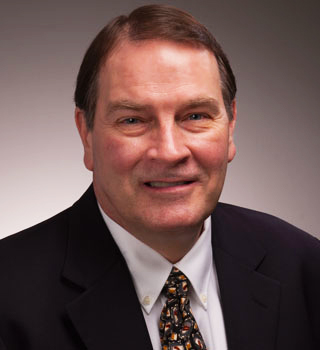
Bill Hendricks

Milyce Pipkin
Milyce Kenny Pipkin (A.K.A., Dee Dee Sharp) is a native of Fayetteville, North Carolina. She is a student at DTS, earning a master’s degree in Christian Education/Ministry to Women (2023) and an intern at the Hendricks Center under the Cultural Engagement Department. She holds a master’s degree in Human Resources Management from Faulkner Christian University in Montgomery, Alabama. Pipkin/Sharp is a 30-year veteran news anchor, reporter, and Public Broadcast System talk-show host (The Aware Show with Dee Dee Sharp). Her accomplishments include working in various markets along the east coast including Charlotte, North Carolina, Columbia and Charleston, South Carolina as well as Mobile and Montgomery, Alabama, and Pensacola, Florida. She also worked as a public representative for the former Alabama Governor, (Don Siegelman), House Ways and Means Chairman, (Representative John Knight) and the Mobile County Personnel Board. Pipkin/Sharp has received several broadcasting news awards throughout her career in the secular world but is now fully committed to the rewards of sharing the Gospel.
She is happily married to the love of her life (Roy Pipkin, Retired Army). Together they have five children and ten grandchildren. She enjoys spending time with her family, traveling, and seeing God’s glory in her story along the way in the things she does, the people she meets and the places she goes.
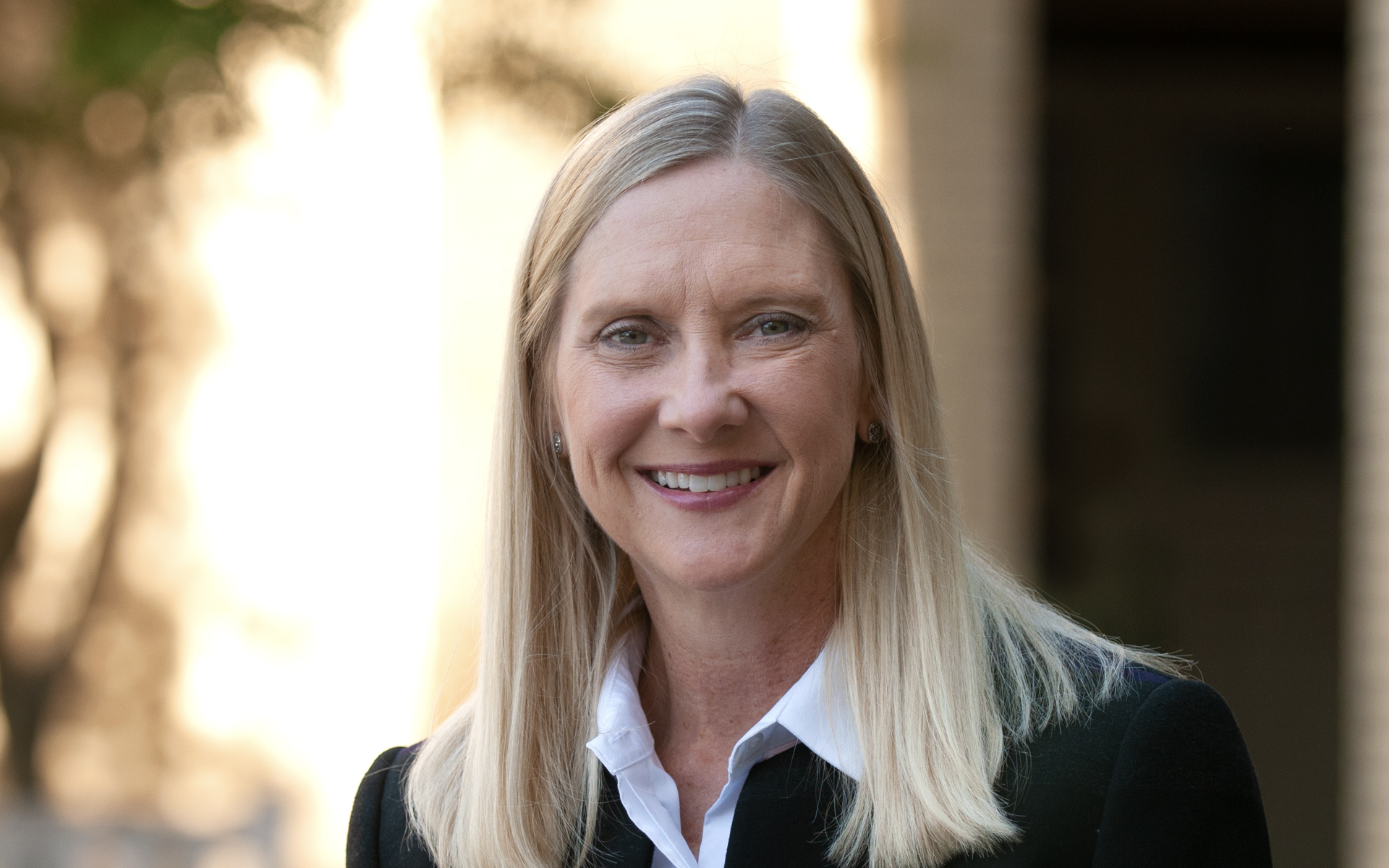
Rebecca Jowers
Rebecca Jowers received a Bachelor of Science in Education from the University of Texas at El Paso, where she graduated summa cum laude and played collegiate basketball. She taught math and science in both public and private schools as well as the collegiate level. Rebecca continued her education, earning a Master’s degree from Dallas Seminary and received the Howard Hendricks’ Award for the Department of Christian Education’s most outstanding work. While at DTS, she worked in the Spiritual Formation Department as a Fellow.
After graduating from DTS, Rebecca founded The Poiema Foundation, a non-profit that fights human trafficking through education and community outreach. Poiema provides long-term, trauma-informed care and the unconditional love of Christ to women on their journey from victim to survivor. In addition to her work with Poiema, Rebecca recently accepted the role of Assistant Dean of Students and Advisor to Women at Dallas Seminary and is pursuing a Doctorate of Educational Ministries. She has been married to her husband, Raymond, for 30 years and they have four grown daughters.
Contributors


