
Meditation and Spiritual Discipline
1 Timothy 4:7-8
Introduction
- Workshop vs. Presentation
- Purpose: To provoke thinking, not to paralyze it
- Encouragement for participation
Session Objectives
- Answer three basic questions regarding spiritual disciplines
Question 1: Why Are Spiritual Disciplines So Difficult?
- Cultural Reasons
- Society's focus on noise, hurry, and crowds
- Desire for quick fixes and instant spirituality
- Prioritizing wrongly, leading to dead-end disciplines
- Fear of Failure
- Unrealistic expectations for quick results
- Personal Experience
- Struggles with solitude and silence
- Personality and Society
- Extroverts vs. Introverts
- Lack of models in community and tradition
Question 2: What Spiritual Disciplines Are Most Helpful?
- Bible Study and Memory
- Importance of obedience and application
- Example of the impact of Bible memory during personal struggles
- Meditation and Reflection
- Principle of balancing reading with reflection (40 minutes reading, 20 minutes reflection)
- Scriptural references (Joshua 1:8, Psalm 1:2, Psalm 19:14, Psalm 119:11)
- Journaling
- Prevents mind wandering
- Provides objective means of evaluation
- Forces application
- Solitude
- Value of freedom from addictions
- Produces depth in spiritual life
- Provides perspective and clarity
- Develops intimacy with God
Question 3: Are Spiritual Disciplines a Subtle Form of Legalism?
- Purpose of Spiritual Disciplines
- Not to impress God but to become the best instrument for Him
- Scriptural basis (1 Corinthians 9:24-27, 1 Timothy 4:7-8, Hebrews 5:14)
- Distinction Between Legalism and Discipline
- Legalism as substituting human rules for divine revelation
- Spiritual disciplines as a means to an end, not an end in themselves
Practical Steps and Recommendations
- Start with small increments (15 minutes a day) and gradually increase
- Emphasis on the importance of accountability groups
Conclusion
- Encouragement for persistence and long-term commitment
- Personal testimonies and the impact of spiritual disciplines on life and ministry
*The above summary is AI-generated, so discrepancies may exist. Please refer to the audio or video file to verify accuracy.
About the Contributors
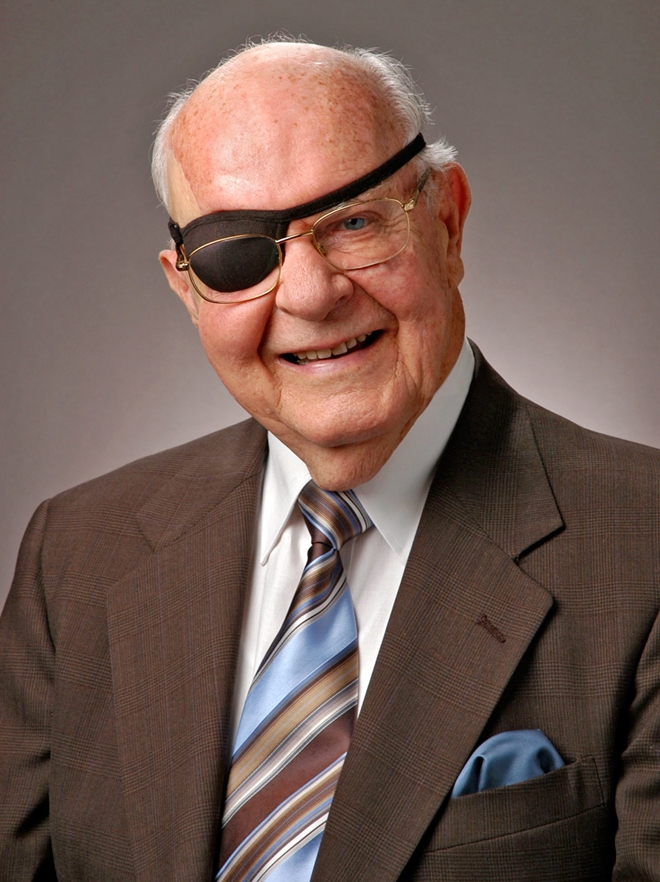
Howard G. Hendricks
Dr. Howard G. Hendricks, known simply as “Prof,” directly or indirectly touched millions of lives in the evangelical community and beyond. For more than sixty years Prof served on the faculty of Dallas Theological Seminary (DTS), where he taught more than ten thousand students. He served as the chairman of the Center for Christian Leadership for over twenty years. He also ministered in person in more than eighty countries. Through speaking engagements, radio, tapes, films, the sixteen books he authored and coauthored, countless journal and popular-market articles, his service on numerous boards, and his work as a chaplain to the Dallas Cowboys (1976–1984), his reach was and is worldwide.
His legacy, in partnership with Jeanne, his wife of more than sixty-five years, includes four children and six grandchildren. Holding large audiences enthralled at venues such as Billy Graham’s conference center or Promise Keepers’ stadium rallies, Prof would confide, “It’s wonderful to be here with you, but I have a group of delicious students waiting for me back at the seminary.”
Contributors


