
Socially Balanced in Christ
Proverbs 17:17
Introduction
- Importance of being intellectually and socially grounded in Christ
- Introducing the three principles related to friendships
Principle 1: Enrich Your Circle of Friends
- Distinguishing between friends and acquaintances
- Importance of deep, meaningful friendships over a large number of superficial ones
- Introduction to scriptures on friendship, especially from the book of Proverbs
Scriptural References on Friendship
- Proverbs 17:17 – A friend loves at all times
- Proverbs 18:24 – A man of many companions may come to ruin
- Proverbs 27:6 – Faithful are the wounds of a friend
- Proverbs 27:17 – As iron sharpens iron, so one person sharpens another
Characteristics of True Friendship
- Unconditional Love: Friends love at all times, exemplified by Proverbs 17:17
- Reliability in Adversity: True friends remain through tough times
- Depth of Relationship: Comparison between acquaintances and friends
- Biblical Examples: The friendship of David and Jonathan
Three Tests for True Friendship
- Total Acceptance: A friend knows all about you and still accepts you
- Personal example of marriage and overcoming insecurity
- Openness: Sharing heretical ideas or serious doubts without judgment
- Danger of producing a collection of frauds in the evangelical community
- Constructive Confrontation: A friend can confront you with your weaknesses without causing defensiveness
- Personal examples of honest confrontation and surgical friendship
Flowing into the Lives of Others
- Importance of engaging with both believers and unbelievers
- The story of Jesus calling Levi and dining with sinners (Mark 2)
- Acceptance and affirmation in relationships
- Galatians 6:1: Restoring a fallen person gently
- Romans 15:7: Accepting one another as Christ accepted us
Principle 2: Flow into the Lives of Others
- Importance of evangelism and accountability
- Examples of personal involvement in evangelistic efforts
- Acceptance vs. Approval: Embracing individuals without endorsing their behavior
Principle 3: Keep the Home Fires Burning
- Importance of managing one’s family well as a qualification for leadership
- 1 Timothy 3:4-5: Managing one’s family as a test of leadership
- Testimonies from family members as a measure of true character
- No conflict between professional success and family responsibilities
Conclusion
- Emphasis on making choices that impact eternity
- Prayer for wisdom and guidance in building meaningful relationships and fulfilling one’s duties
*The above summary is AI-generated, so discrepancies may exist. Please refer to the audio or video file to verify accuracy.
About the Contributors
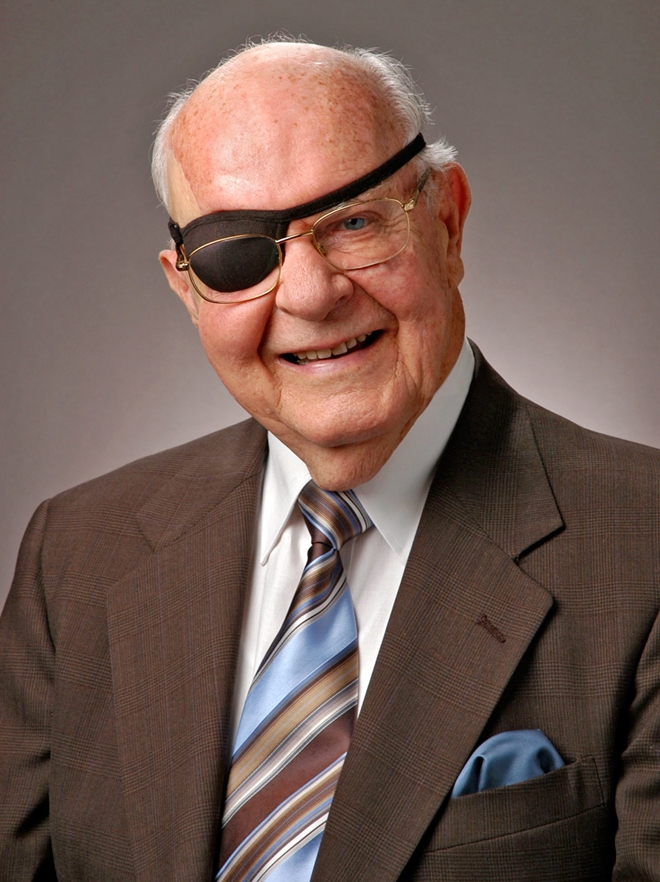
Howard G. Hendricks
Dr. Howard G. Hendricks, known simply as “Prof,” directly or indirectly touched millions of lives in the evangelical community and beyond. For more than sixty years Prof served on the faculty of Dallas Theological Seminary (DTS), where he taught more than ten thousand students. He served as the chairman of the Center for Christian Leadership for over twenty years. He also ministered in person in more than eighty countries. Through speaking engagements, radio, tapes, films, the sixteen books he authored and coauthored, countless journal and popular-market articles, his service on numerous boards, and his work as a chaplain to the Dallas Cowboys (1976–1984), his reach was and is worldwide.
His legacy, in partnership with Jeanne, his wife of more than sixty-five years, includes four children and six grandchildren. Holding large audiences enthralled at venues such as Billy Graham’s conference center or Promise Keepers’ stadium rallies, Prof would confide, “It’s wonderful to be here with you, but I have a group of delicious students waiting for me back at the seminary.”
Contributors


